HVAC Upgrades in Wyckoff, NJ
Make Your Next System a Better Fit
Replace the guesswork with a plan for comfort, equipment, and the full project cost.
Comfort Starts With a Clear Plan.
An older system can leave you paying for repeated repairs while living with the same hot and cold rooms. A replacement should solve more than an equipment problem. Plan around your home, your energy needs, and what matters most to you: steadier temperatures, quieter operation, or better room control. Start with the big picture before selecting a model.
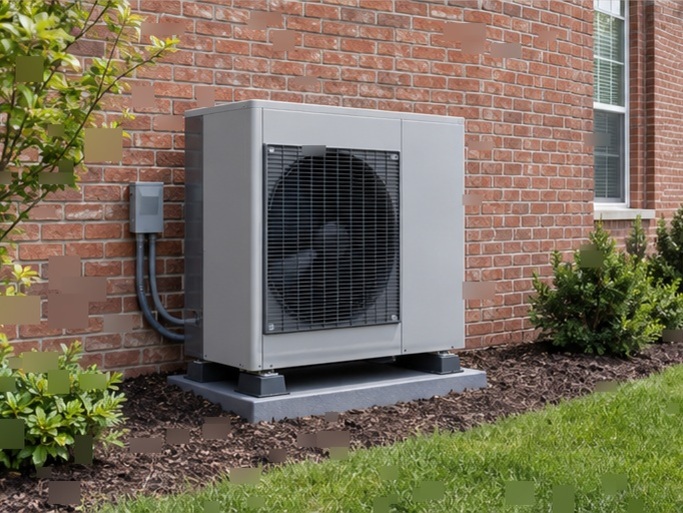
Repeated faults, uneven comfort, and repair costs are useful signals to review the system. Age alone is not a complete diagnosis. Compare the condition of the equipment with the work it needs now.
An upgrade should solve a problem you can name. Make a short list: rooms that stay cold, noise near a bedroom, recurring repairs, or controls that are hard to use. Keeping those priorities visible helps you compare proposals by the results you want, rather than by equipment names alone.
If the issue is isolated, start with heating and AC repair before committing to replacement.
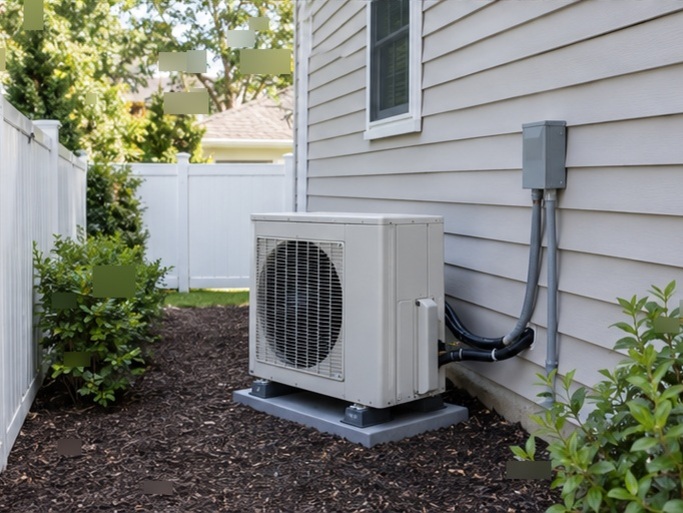
Bigger equipment is not automatically better. Ask for a heating and cooling load calculation that considers the house, insulation, windows, and local weather. The old unit size should not be the only guide.
Comfort depends on a system that fits the house. Explain any additions, finished spaces, or window changes made since the old equipment was installed. A thoughtful sizing review includes those changes. Ask the installer to explain the recommendation in plain language and show how it relates to your home.
Discuss airflow, duct condition, and controls as part of the equipment decision.
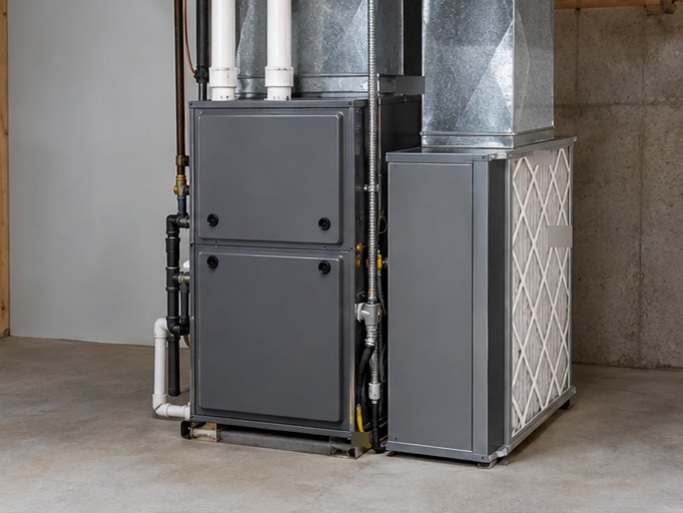
A new furnace, heat pump, boiler, or room-based system can lead to very different project scopes. Compare installation needs and expected operating costs, not just equipment ratings.
Look beyond the headline efficiency number. Different systems need different electrical, fuel, and distribution arrangements. Ask what changes in daily use, how controls work, and what ongoing care is needed. The right option is the one that fits the property and the way your household uses it.
Homes with radiators can review boiler options. For a difficult room, compare ductless comfort.
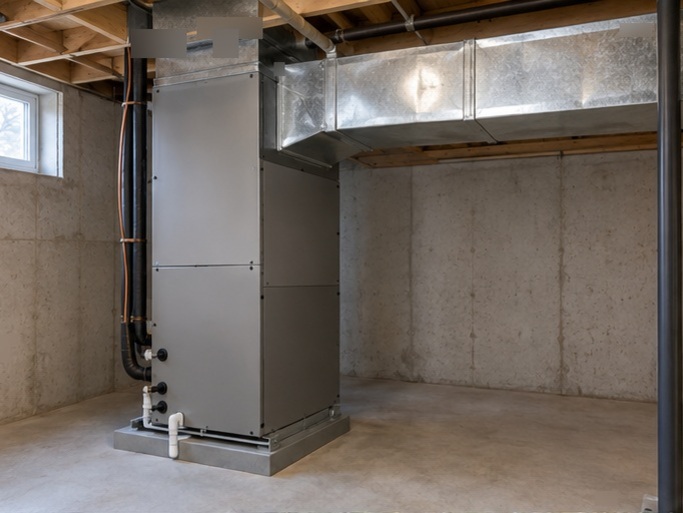
A fuel or equipment change may affect electrical service, venting, piping, ductwork, and controls. Those details belong in the plan from the start. Ask what is included and which permits or inspections apply.
Avoid surprises by defining the job before it starts. Find out who handles permits, electrical work, access, cleanup, and any wall or ceiling repairs. Ask how long existing heating or cooling may be unavailable. A written plan makes it easier to understand the project and prepare your household.
Confirm responsibilities for removing old equipment and for any work outside the HVAC scope.
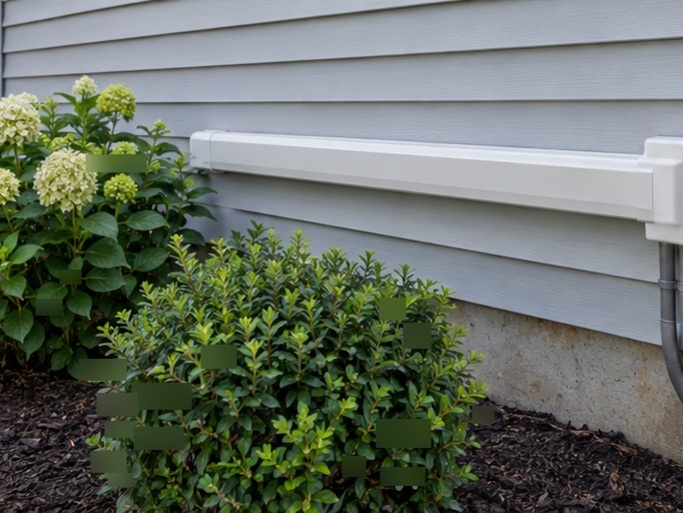
A clear quote should identify the equipment, installation work, exclusions, and warranty terms. Ask how the finished system will be checked and what homeowner instruction is included.
Compare like with like. Two quotes can look similar while including very different work. Check the model numbers, controls, labor, disposal, and final operating checks. Clarify anything marked optional or excluded. Keep the written proposal and warranty information together so you can review them after installation.
Use ENERGY STAR homeowner guidance to prepare better questions. Confirm current incentives separately; eligibility is not guaranteed.
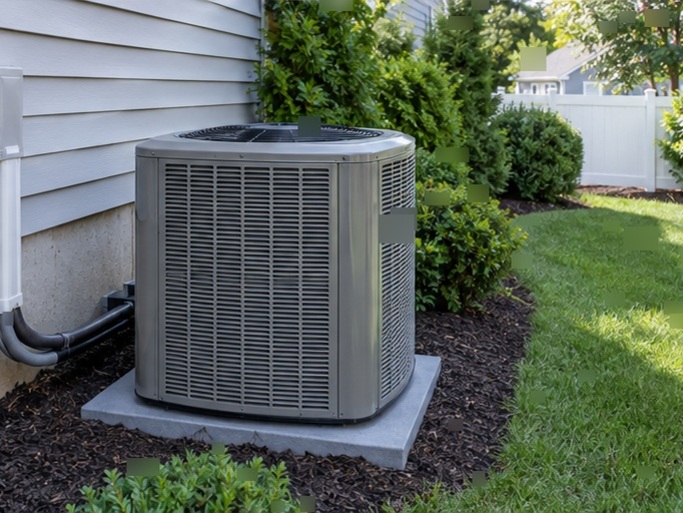
Tell us what your current system struggles with, what you want to improve, and your preferred timing. Include photos of visible equipment labels if convenient. There is no need to open panels.
You do not need to choose equipment before you ask for help. Start with the change you want to make and the problems you want to leave behind. Share your timing and any access limits. That gives the conversation a useful direction without locking you into a system too soon.
Discuss your HVAC upgrade, then plan ongoing system care to protect your investment.