
HVAC Maintenance in Wyckoff, NJ
Be Ready Before the Weather Changes
Give your heating and cooling system attention now, not only when comfort disappears.
Comfort Starts With a Clear Plan.
Your system works hardest when the weather is least forgiving. Seasonal maintenance is a chance to check how it runs, document changes, and address concerns before heavy use. The right visit is built around the equipment you actually have. Ask what is included and which findings need attention now, later, or not at all.
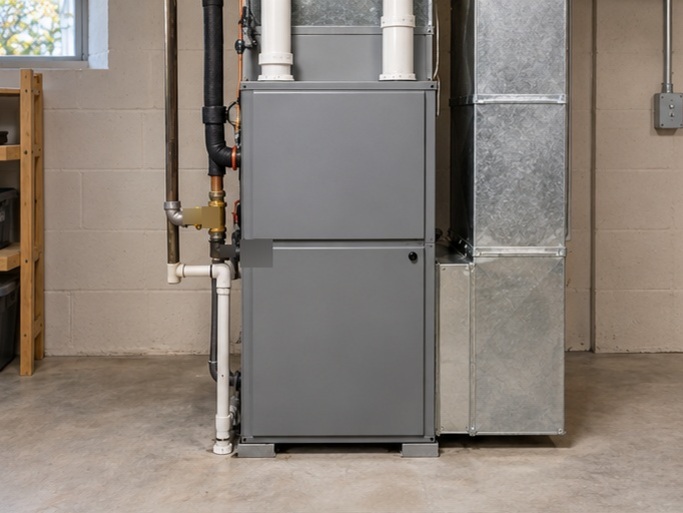
Before cold weather, discuss the operating and safety checks your furnace, heat pump, or boiler needs. Keep equipment access clear and share any changes in sound, run time, or comfort.
Give the next visit a useful starting point. Note rooms that take longer to warm, settings that seem different, or sounds that were not there last season. Mention any recent repairs. A seasonal check is more useful when it includes what you have noticed in daily use.
For radiator and baseboard systems, review boiler and hot-water heating.
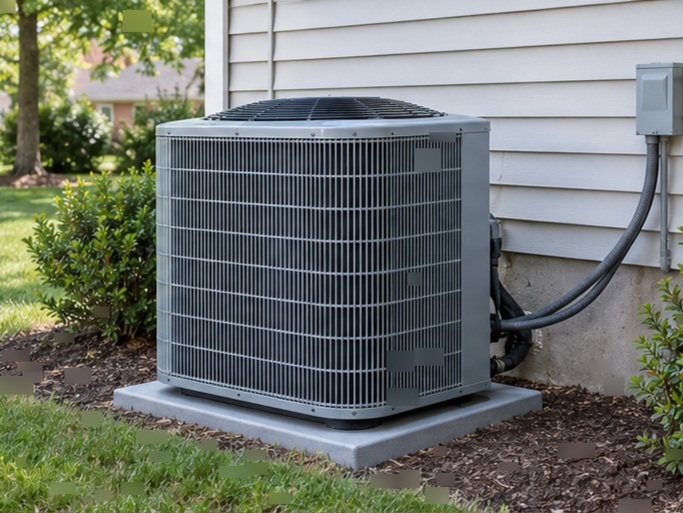
Before summer, discuss cooling operation, airflow, drainage, and outdoor equipment condition. The exact checklist depends on the system. A visible water leak or warm airflow deserves a focused service discussion.
Do not wait until the hottest day to think about cooling care. Share whether the system cooled evenly last summer and whether drainage or airflow caused concern. Ask which checks are included for your equipment. A clear service scope helps you understand what is being reviewed and what falls outside routine care.
For a current fault, start with heating and air conditioning service.
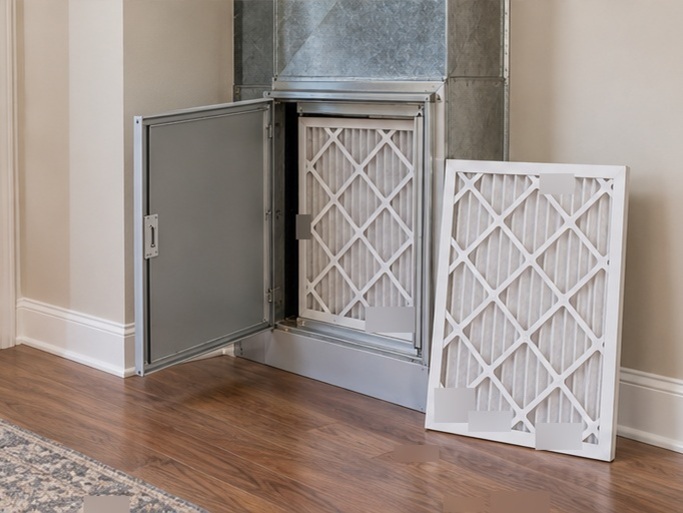
Follow your equipment instructions for filter checks and replacement. Keep vents free of furniture and avoid blocking outdoor units. Note changes rather than waiting until the system stops.
Simple routines work best when they are easy to follow. Keep the equipment instructions handy and use the correct filter type. Do not guess at a replacement schedule or force in a filter that does not fit. When the instructions are unclear, ask before making a change.
Use ENERGY STAR maintenance tips for independent guidance. Your manufacturer’s requirements still matter.
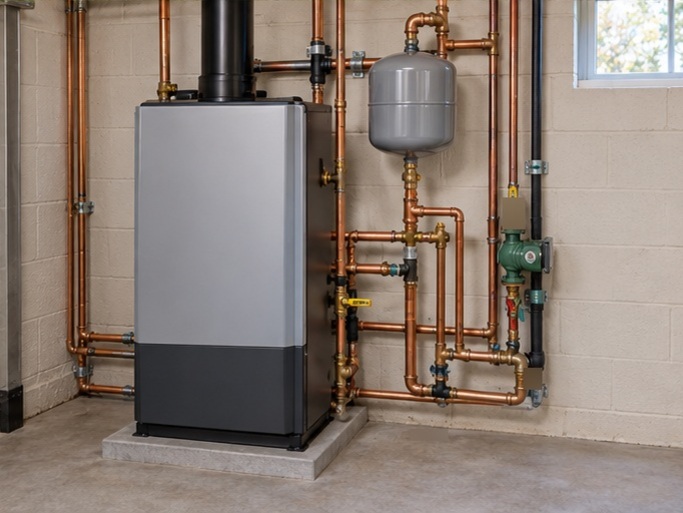
A ductless unit, gas furnace, and hot-water boiler do not need the same service checklist. Ask what work applies to your system and which items are inspection-only versus cleaning or adjustment.
One standard checklist cannot explain every system. Describe all the heating and cooling equipment in your home, including separate room units. Ask which parts of the proposed visit apply to each one. This keeps expectations clear and helps avoid overlooking equipment that serves only part of the house.
For room-based equipment, read about ductless mini-split care.
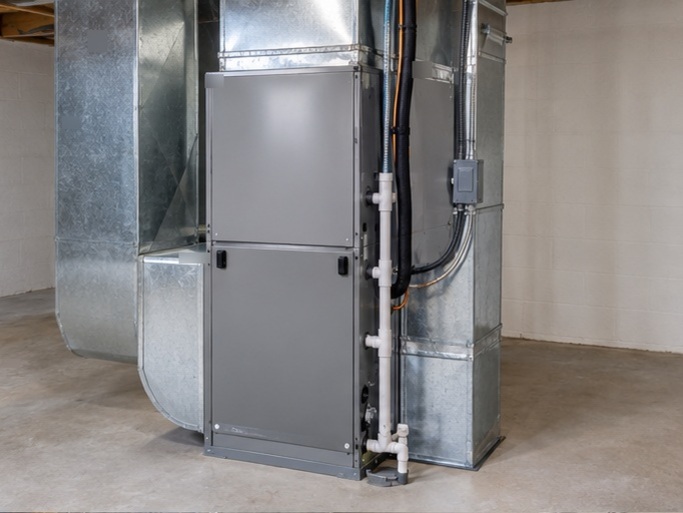
Request a plain-language summary of equipment condition and any recommended work. Separate required repairs from optional improvements. Keep service records so you can see whether a concern is getting worse.
Useful findings should lead to useful decisions. Ask what was observed, why a recommendation matters, and whether it needs attention now or can be planned. A written summary gives you something to review without pressure. Keep it with your equipment details and earlier repair records.
Recurring faults may call for a repair-versus-upgrade discussion. Maintenance cannot prevent every breakdown.
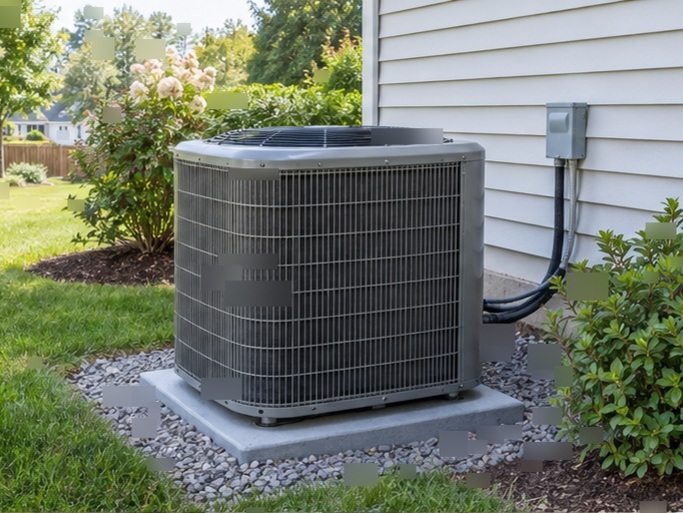
When you request a tune-up, include the system type, last known service date, and any rooms that feel different. Share dust or humidity concerns, too; they may need a broader look.
A tune-up request can be short and still be helpful. Include the equipment type and what you want checked. If a system has already stopped working, say so clearly; that is different from a routine visit. Share your preferred timing, then confirm availability and scope before treating the request as an appointment.
Request seasonal maintenance or explore indoor air quality before your visit.