
Indoor Air Quality in Wyckoff, NJ
Feel Better About the Air at Home
Explore practical answers for dust, stale rooms, and humidity, with your whole home in mind.
Comfort Starts With a Clear Plan.

An air quality plan should explain what a solution can and cannot do. Filtration, ventilation, and moisture control serve different purposes. Start with where the problem appears and when you notice it. Then consider the source, the home’s airflow, and the equipment already in place before adding something new.
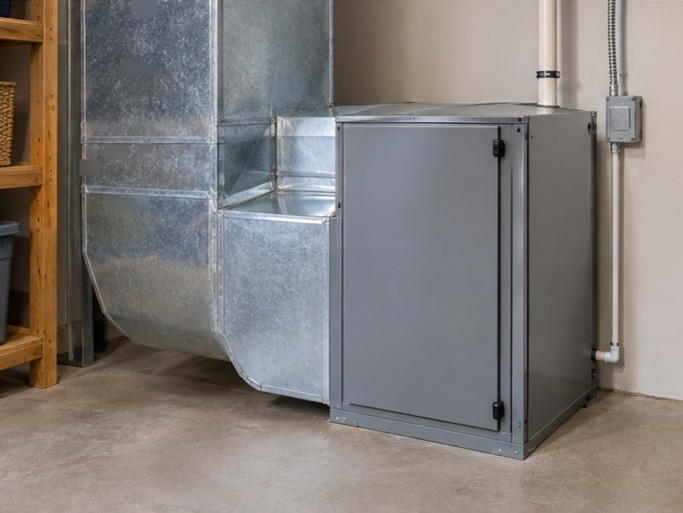
Recurring dust, odors, or dampness may have several causes. Tell us which rooms are affected, when the concern started, and what changed in the house. Addressing the source is often an important first step.
Start with the concern, not a shopping list of products. Note whether dust returns quickly, an odor follows a certain activity, or dampness appears in one space. Mention recent painting, remodeling, or water problems. A more complete picture helps you ask whether the source itself needs attention.
Read EPA guidance on improving indoor air for a useful overview.
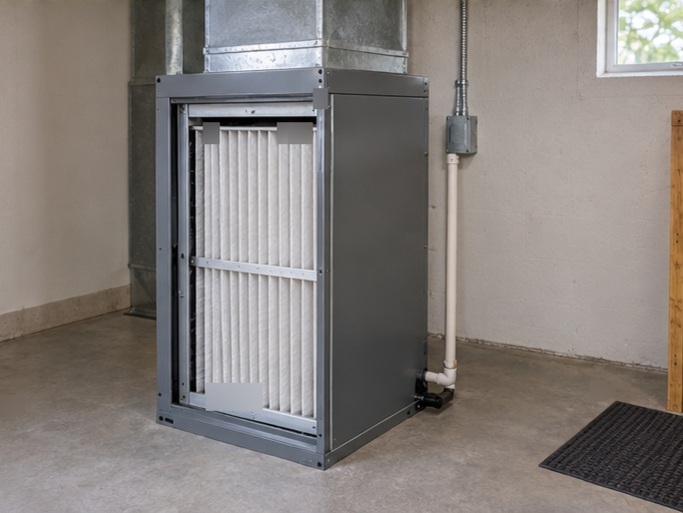
A filter must work with the system’s airflow needs. A higher filtration rating is not automatically a better fit for every unit. Follow equipment instructions and ask about compatibility before changing filter types.
Before buying a filter or air-cleaning accessory, understand what it is meant to address. Ask how it fits your equipment, what replacement supplies it needs, and how it will be maintained. Clear answers make it easier to compare options without assuming one product can solve every indoor air concern.
Keep up with HVAC maintenance so neglected equipment does not undermine the plan.
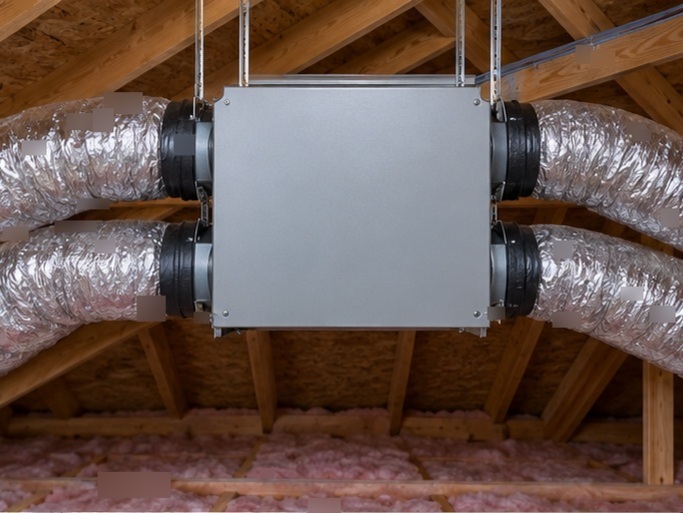
Most standard heating and cooling systems recirculate indoor air rather than provide fresh outdoor air. Bathroom and kitchen exhaust, moisture sources, and the home’s layout can all affect the discussion.
A fresh-air discussion should include the rooms and activities that create the problem. Tell us about kitchens, bathrooms, finished basements, and spaces that feel stuffy when doors are closed. Ask how any proposed ventilation change works with existing heating and cooling, rather than treating it as a separate purchase.
Ventilation options should account for outdoor conditions as well as indoor needs.
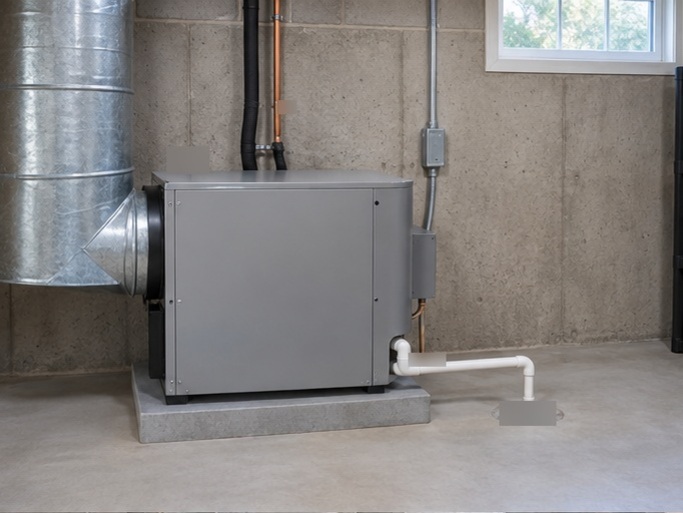
Persistent dampness and overly dry rooms call for different solutions. A humidifier or dehumidifier should match the problem and have a clear care plan. Fix leaks and moisture sources rather than relying on equipment alone.
Describe where and when the room feels damp or dry. Mention condensation, visible water, or a recurring musty smell. Equipment may be only one part of the answer. Discuss the source, the intended improvement, and the cleaning or drainage needs before adding a moisture-control product.
For independent context, see the EPA homeowner air quality guide.
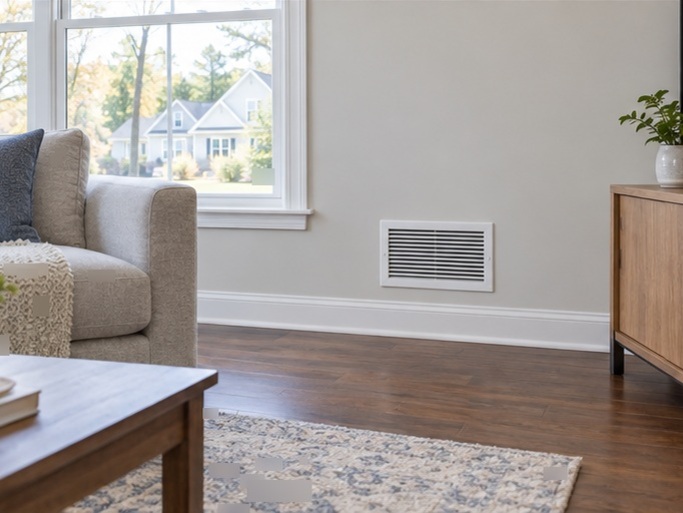
Airflow concerns can affect both room temperature and filtration. Discuss blocked returns, duct condition, and system operation alongside air quality products. A room-based unit is not a substitute for whole-home ventilation.
Better room comfort and better air management should work together. Share rooms with weak airflow and places where vents or returns are blocked. Ask whether the existing system needs attention before adding accessories. That approach keeps the conversation centered on how the whole home works.
Compare heating and AC service and ductless options when comfort is also an issue.
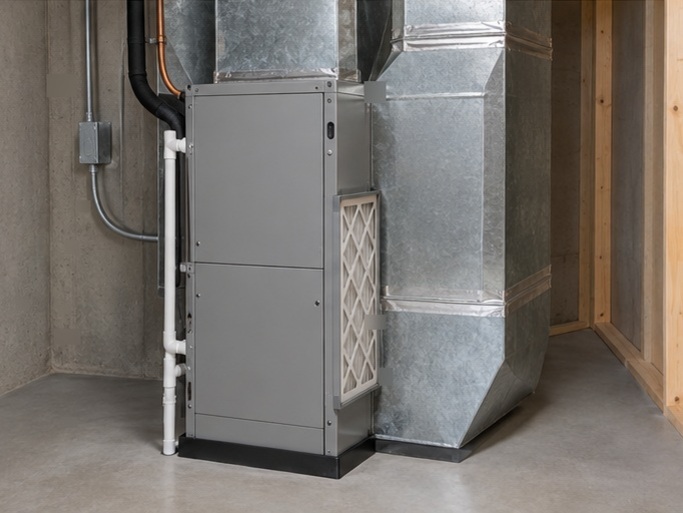
Send your main concern, affected rooms, system type, and any visible moisture. Do not assume an HVAC product will remove every pollutant or solve a health problem. Seek medical advice for health symptoms.
Keep the goal specific and realistic. Tell us whether your priority is dust, moisture, odors, or stale-feeling rooms. Ask what a proposed option addresses and what it does not. A clear scope helps you judge the value of a change without relying on broad promises about cleaner or healthier air.
Discuss indoor air concerns or review all HVAC services to plan the right scope.