Heating & AC in Wyckoff, NJ
Get Your Home Comfortable Again
Heating and cooling help for Wyckoff homes, from a stubborn repair to a fresh start.
Repair. Upgrade. Prepare for the Season.
A furnace that will not start. An AC that runs all day. An upstairs room that never feels right. Start with the problem, not a sales pitch. Explore repair, installation, and seasonal care for Wyckoff homes. The right plan considers your equipment, your rooms, and your budget.
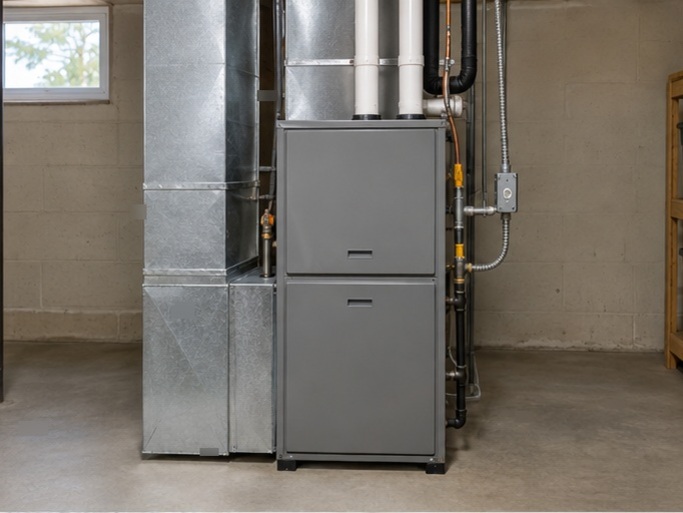
No warm air, short run cycles, or a new noise? Tell us when it began and which rooms are affected. A useful heating check looks at the controls, airflow, and equipment before recommending work.
A cold house needs a clear answer, not a guess. Share the thermostat setting, whether the system starts, and whether air reaches the vents. These details help separate a room-comfort issue from a system that is not running. Leave fuel, wiring, and safety checks to a qualified professional.
Have radiators or baseboards? See boiler and hot water heat for the right starting point.
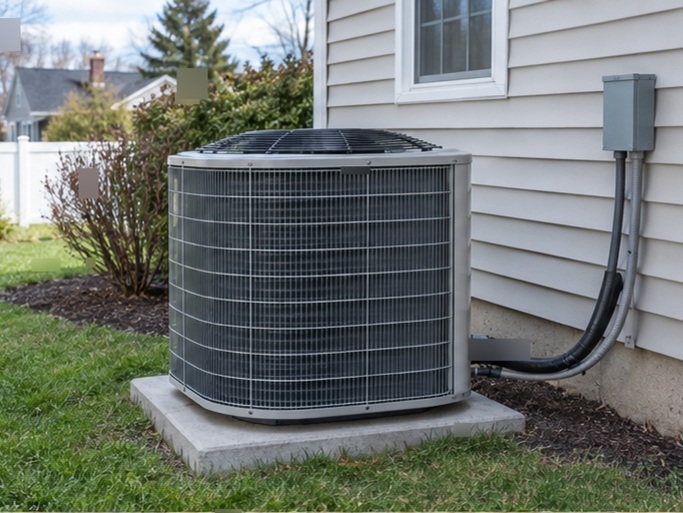
Warm air from the vents does not tell the whole story. Cooling problems can involve airflow, controls, drainage, or the equipment itself. Describe what you notice so the next step addresses the cause.
Get back to rooms that feel comfortable, not just cooler air at one vent. Tell us whether the problem appears all day or only in the afternoon. Mention leaks, ice, or unusual sounds from a safe distance. A focused repair starts with understanding when and how cooling falls short.
A room without ducts may need a different approach. Explore ductless mini-split systems.
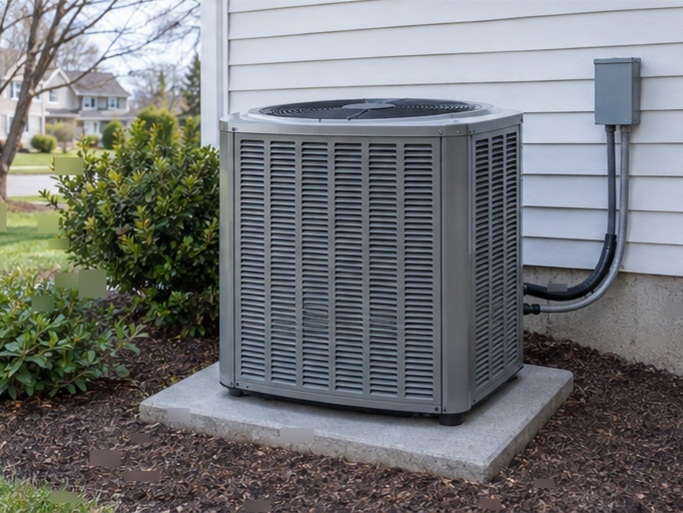
One repair does not always mean it is time for a new system. Compare the fault, equipment condition, repair cost, and comfort problems before making that call. Ask for the findings and a written scope.
Make the choice around your home and your budget. A repair may make sense when the rest of the system is in sound condition. Replacement deserves a closer look when problems return or the system no longer meets your needs. Compare both paths before agreeing to major work.
If breakdowns keep returning, review system upgrades and conversions.
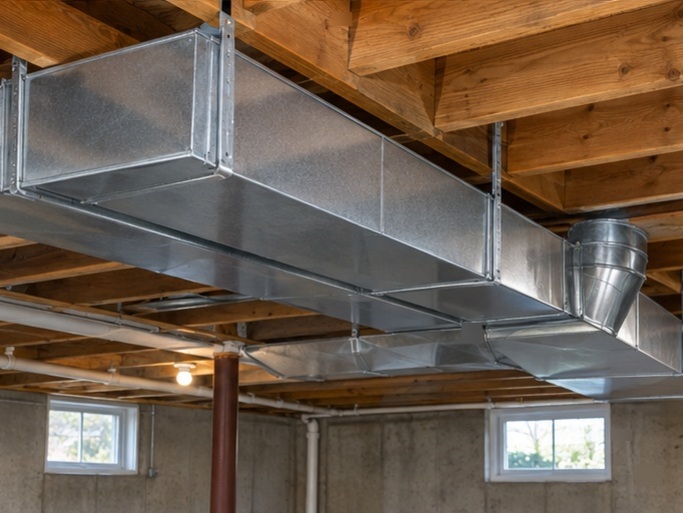
Hot and cold rooms can point to more than aging equipment. Duct condition, air leaks, insulation, and system sizing all deserve attention. Replacing the unit alone may leave the same room uncomfortable.
A good comfort plan follows the air through your home. Share which rooms heat up first, cool down last, or change when doors are closed. That pattern matters. It can help identify where equipment, airflow, and the building itself need to be considered together.
For independent planning advice, read ENERGY STAR heating and cooling guidance.
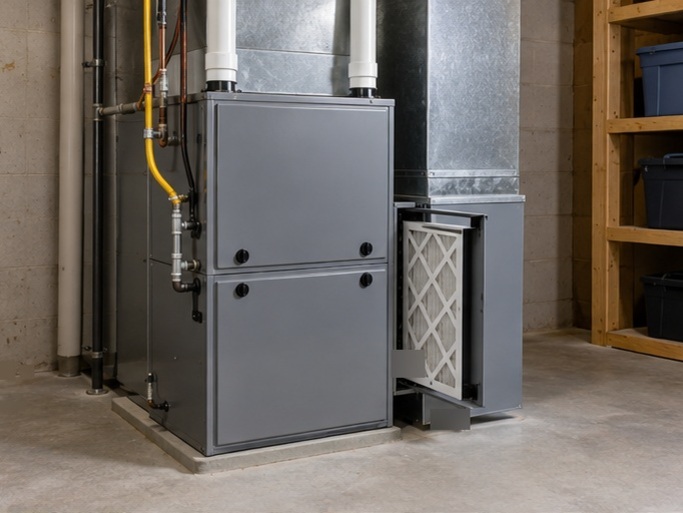
Give heating equipment attention before cold weather and cooling equipment attention before summer demand. Ask which checks your specific system needs. Routine care is not a guarantee against breakdowns, but it helps you track changes.
Small changes are easier to explain when you catch them early. Keep a simple note of new sounds, weaker airflow, and longer run times. Save earlier service records if you have them. This gives the next check useful context and helps you ask more informed questions.
Learn about maintenance and tune-ups. Dust and moisture concerns belong in an indoor air quality review.
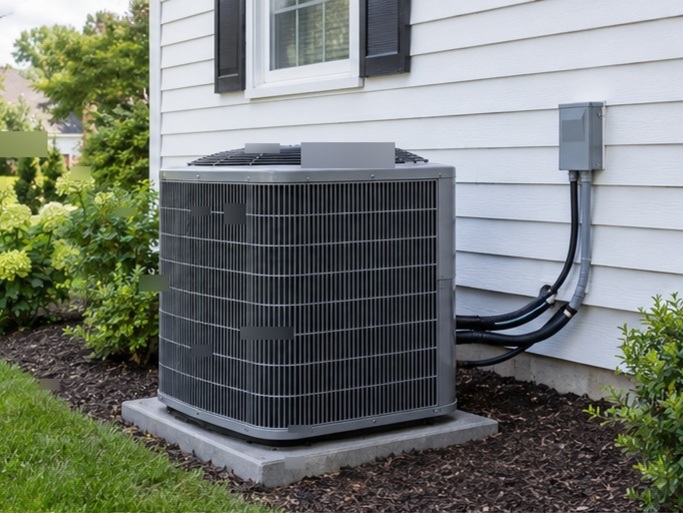
Send your Wyckoff location, system type, main symptom, and best contact method. Note any error code without opening equipment panels. For a project, tell us what you want to improve and your preferred timing.
A few clear details make it easier to discuss the right service. If you know the brand and model, include them; if not, describe the equipment and what it does. Let us know whether this is a current fault or a planned improvement so your priorities stay front and center.
Request heating or AC help or compare all HVAC services. A request is not a confirmed appointment.