Wyckoff, NJ HVAC Services
Comfort You Do Not Have to Think About
A warmer winter. A cooler summer. A clearer path to the right heating and cooling solution.
Comfort Starts With a Clear Plan.
A comfortable house should not come with daily workarounds. If you keep adjusting the thermostat, avoid one room, or worry about another breakdown, it is time to look closer. Wyckoff HVAC helps you explore repairs, equipment upgrades, and seasonal care without getting lost in technical terms. Start with the service that fits your home, then tell us what you want to change.
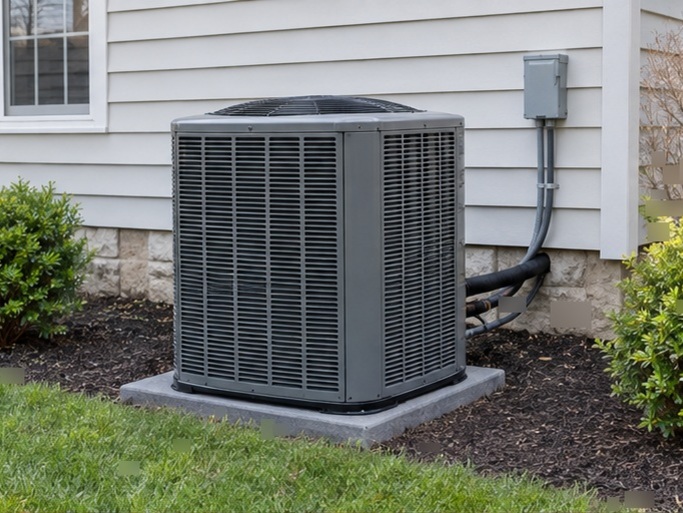
No heat, weak cooling, or uneven rooms? Describe the symptoms and get a clear starting point for furnaces, central AC, and heat pumps. A focused repair may be enough; a recurring problem deserves a wider look.
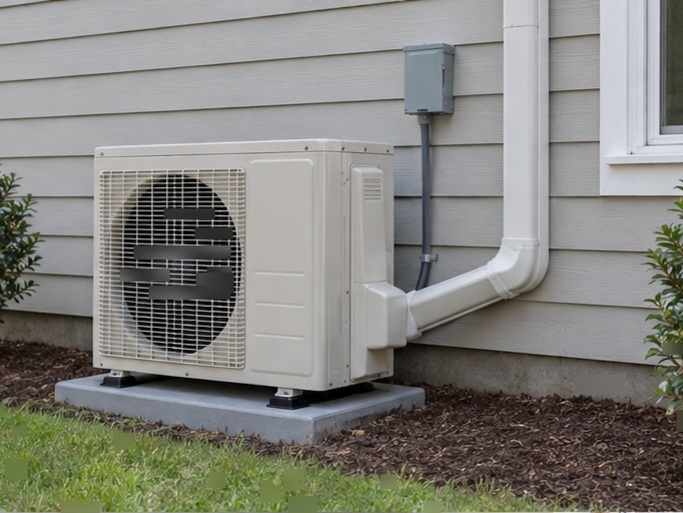
Do not choose a new system by its price tag alone. Plan around your rooms, existing equipment, energy use, and the improvements you need. Compare the full project before deciding what belongs in your home.
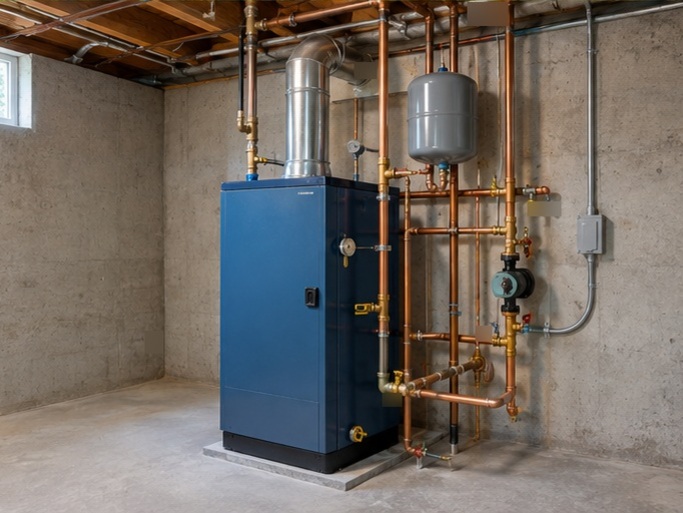
Radiators and hot-water baseboards need a different approach from air vents. If a room stays cold or the boiler behaves differently, share what you notice. Start with equipment, controls, and heat distribution.
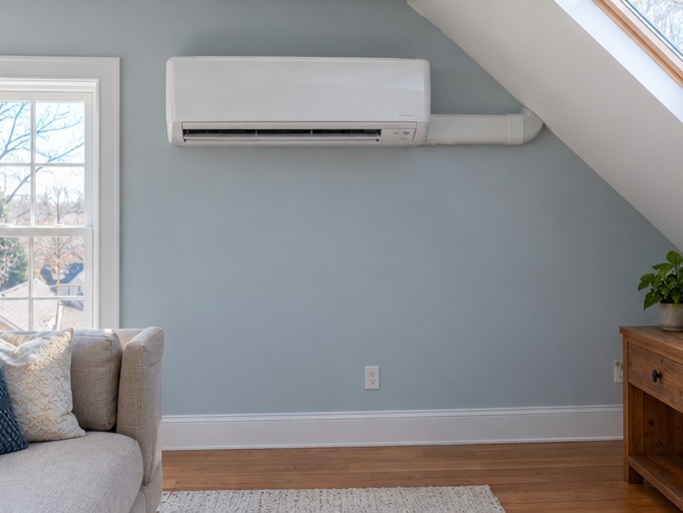
A finished attic, home office, or addition may need its own comfort plan. Ductless equipment offers room-by-room heating and cooling without a full duct network. Placement and sizing still matter.
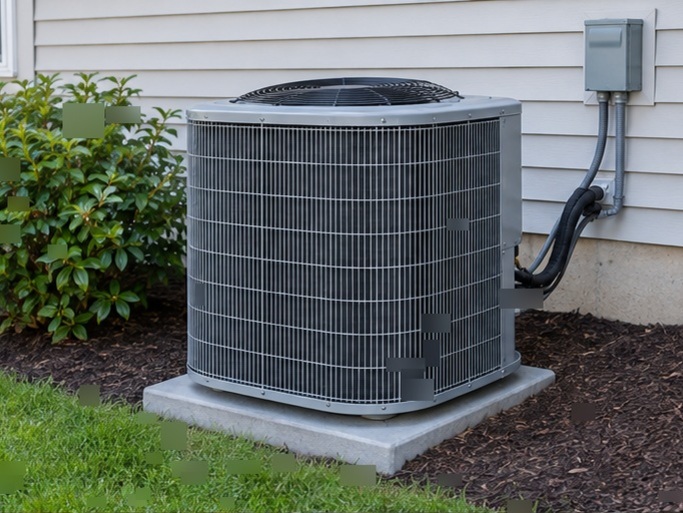
Make time for your system before the weather tests it. Equipment-appropriate checks help document wear, airflow concerns, and changes in operation. Ask what is included, then plan for the next season.
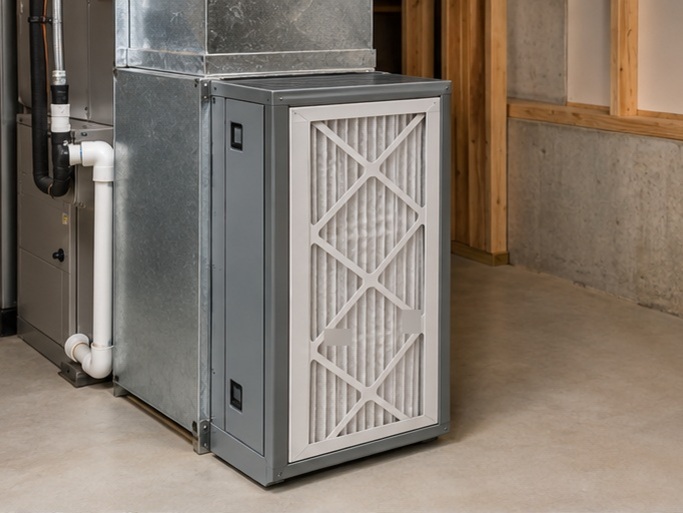
Comfort is more than the thermostat. Dust, stale air, and moisture call for a plan that considers the source, ventilation, and filtration. Get practical context in EPA indoor air guidance.
If the system stopped, start with heating and AC service. If you are ready for a change, compare upgrade options before choosing equipment. Looking ahead? Plan seasonal care so your questions are addressed before peak demand.
For common planning questions, visit our homeowner HVAC guide. When you are ready, send your project details. Service scope, scheduling, and pricing are confirmed directly. A website request is not a booked appointment.
Comfort is easier to plan when the questions are specific. Ask an HVAC contractor how the assessment considers both the equipment and the rooms it serves. For HVAC repairs, provide a short description of what changed and when you first noticed it.
Heating performance can vary from one part of the house to another. Discuss heating system repairs in terms of the affected spaces, then ask whether the findings point toward furnace repair, boiler repairs or another part of the heating system.
A warm upstairs does not automatically mean the cooling equipment needs replacement. Compare the assessment involved in air conditioning repair with a proposal for central air conditioning installation. For a separate zone, include ductless mini-split installation in the conversation.
If you are ready to consider new equipment, request a clear scope for heating and cooling replacement. Find out what happens to the existing controls and distribution system, and how seasonal system maintenance should be handled afterward.
Wyckoff HVAC serves Wyckoff Township (Bergen County) and nearby Franklin Lakes, Midland Park, Waldwick and Allendale, NJ.
Wyckoff is overwhelmingly a gas town. Roughly 92% of occupied houses here burn utility gas for heat, one of the highest shares in the area, while about 5% are electric and only around 2% remain on oil. Those figures come from the Census Bureau's American Community Survey (five-year estimates, 2019–2023), which also gives Wyckoff a median construction year of 1965. About 63% of homes predate 1960, and roughly 12% go back before 1940. PSE&G handles gas and electric delivery in the township.
Because so few homes still use oil, most heating questions in Wyckoff are about aging gas furnaces and boilers rather than fuel conversion. Many colonials and expanded ranches from the 1950s and 1960s have had additions built over the years, and those additions are frequently where comfort falls apart: a family room or primary suite tacked onto ducts that were sized for the original footprint. Zoning, a dedicated ductless unit, or rebalancing the duct system are the usual remedies.
Little Falls, the nearest station with official NOAA 1991–2020 normals, logs about 5,300 heating degree days and close to 975 cooling degree days in an average year. Mid-winter means hover near 30°F; the hottest July afternoons average about 86°F.
In New Jersey, replacing an existing furnace, low-pressure boiler, central air system or outdoor condenser with something of similar size is defined as minor work. Wyckoff's construction code office gets notice first, the written permit application must be submitted within five business days, and an inspection closes it out. Simple repairs such as a new blower motor, circulator or thermostat fall under ordinary maintenance and do not require any filing.
If you own your home and have a PSE&G residential account, ask whether the contractor participates in PSE&G's HVAC program. Participating installers apply the utility's discount directly at installation; non-participating installers cannot.
Look at the whole picture rather than the age sticker. What affects the cost of replacement: venting changes for high-efficiency equipment, duct alterations, condensate disposal, line-set length for air conditioning, and any electrical service work. A system that has needed several repairs in a few seasons, or that cannot keep additions comfortable, is a better replacement candidate than one with a single bad part.