
Boiler Service in Wyckoff, NJ
Steady Heat for the Rooms You Use
Make sense of boiler trouble, cold radiators, and hot-water heating before the next cold spell.
Comfort Starts With a Clear Plan.

A boiler is only one part of a comfortable home. Pipes, pumps, controls, and radiators or baseboards must work together to move heat where you need it. If one room lags behind or the system acts differently, describe the change. A careful review helps separate an equipment fault from a heat-distribution problem.
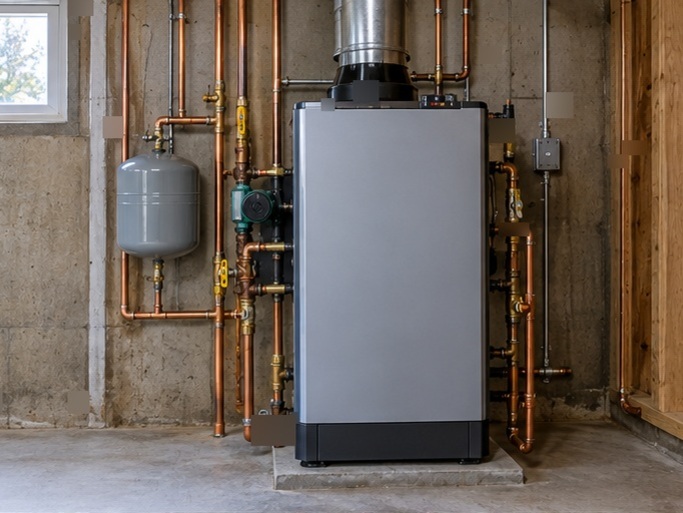
Hot-water heat circulates heated water through pipes. Steam heat works differently and needs its own approach. Let us know which system you have, or send a photo of visible equipment labels.
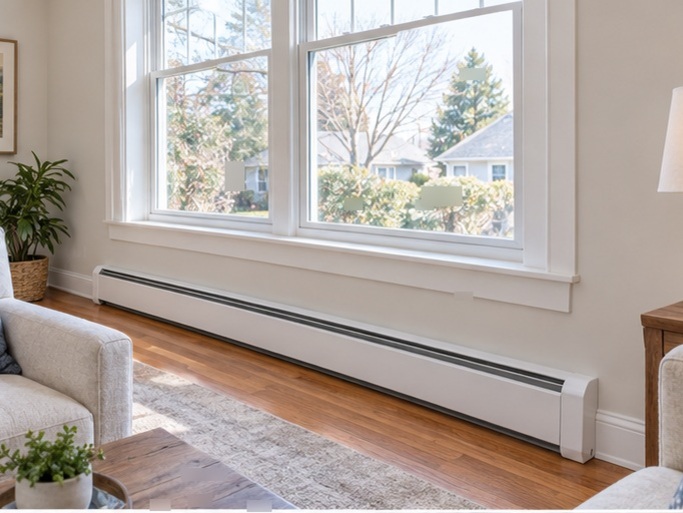
Keep the conversation simple: tell us where the heat comes from and how it reaches the rooms. Radiators, baseboards, and separate hot-water equipment provide useful clues. You do not need to diagnose the system yourself. A clear description is enough to begin planning the appropriate service.
For homes with warm-air vents, start with heating and air conditioning instead.
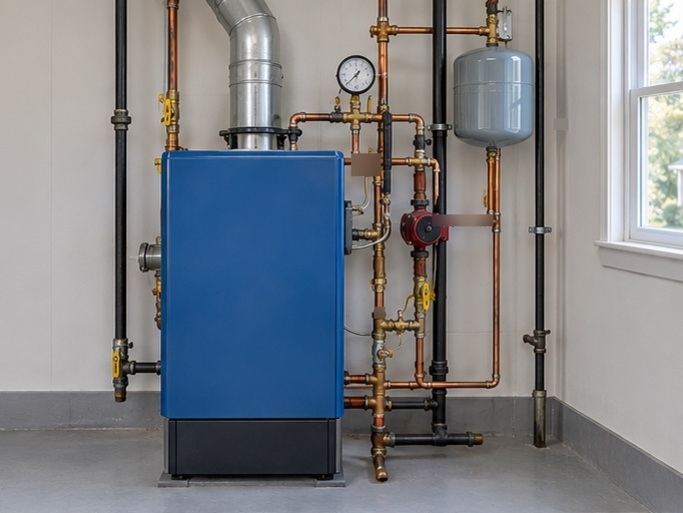
Cold rooms, new sounds, visible drips, or frequent cycling are worth reporting. Note whether the issue affects the whole house or one zone. That simple detail can help focus the next conversation.
A small change can be easier to describe than a sudden loss of heat. Note when you first noticed it, whether it happens at startup, and whether it continues after the house warms. Share visible leaks without touching hot pipes or controls. These observations help explain what needs attention.
Do not change pressure settings or open equipment panels to investigate on your own.
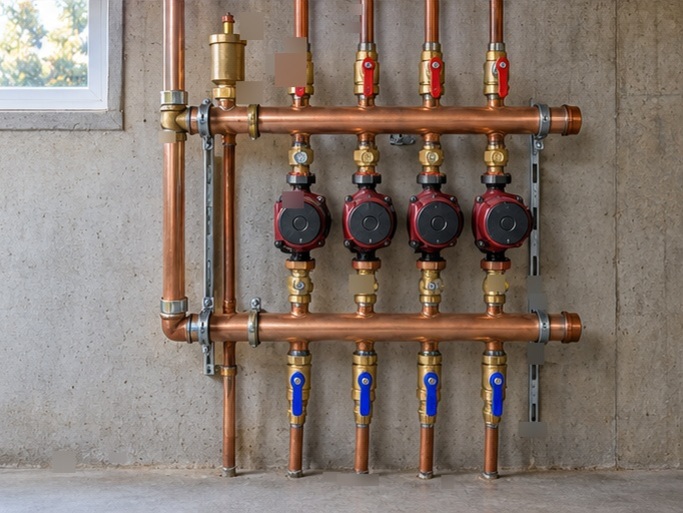
A room that stays cold may involve a thermostat, zone valve, circulation pump, or trapped air. The symptoms alone cannot confirm the cause. Review how heat moves through the system before choosing parts.
Comfort should reach the rooms you use. If one area falls behind, note its thermostat setting and whether nearby rooms feel normal. Mention any recent work on the heating system. This helps keep the discussion focused on the affected zone rather than assuming the whole boiler needs replacement.
Tell us if other rooms warm normally and whether the issue changes through the day.
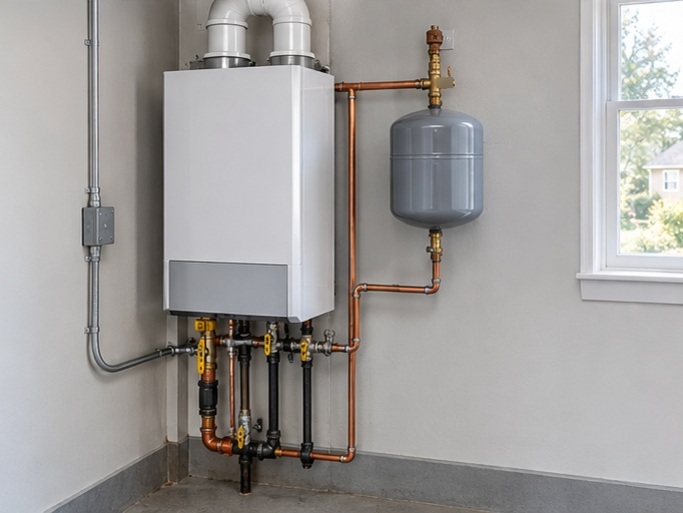
A replacement should fit the heating needs of the house and the existing distribution system. Ask about sizing, piping, venting, controls, and the work needed to connect everything safely.
A new boiler is part of a larger heating system. Existing radiators, baseboards, piping, and controls all need to work with the selected equipment. Ask how that fit will be checked. A complete proposal should explain the connections and changes needed, not simply list a new boiler model.
Compare the full scope through HVAC upgrades and conversions, not just the boiler price.
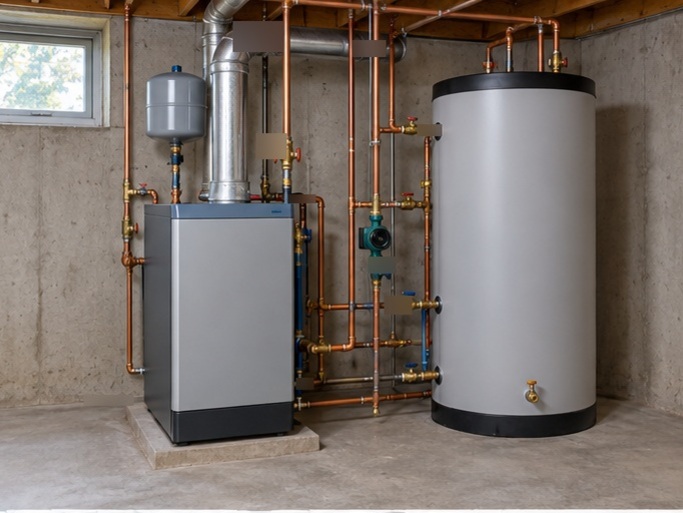
Your boiler may support domestic hot water, or a separate water heater may handle taps and showers. Explain whether you lost room heat, hot water at the faucet, or both.
Knowing which service you lost helps avoid a confusing request. Tell us whether showers run cold, radiators stay cool, or both happen together. Include whether the issue is constant or comes and goes. This gives the service discussion a clearer starting point and helps identify the equipment involved.
For general equipment context, review the Department of Energy home energy guide.
Discuss equipment-appropriate safety and operating checks before heavy winter use. Keep access clear and follow the manufacturer’s care instructions. Do not attempt repairs to fuel lines, venting, or safety controls.
Before heating demand rises, review what your system needs and what the homeowner can safely do. Keep the equipment area accessible and save service notes. If you notice a new leak, odor, or operating problem, describe it rather than waiting for the next routine visit.
Plan seasonal maintenance or request boiler service with your system details.